MTD for Content Creators: YouTubers, Streamers, TikTokers & Influencers
Content creators earning over £50,000 from YouTube, Twitch, TikTok, sponsorships, or affiliate income now fall under Making Tax Digital. Here's what you need to know.
Published 22 Apr 2026

If you make money from YouTube ad revenue, Twitch subscriptions, TikTok Creator Fund, brand deals, affiliate links, Patreon, OnlyFans, merch, or any combination of the above, and your total income from self-employment is over £50,000, you're now in scope for Making Tax Digital for Income Tax.
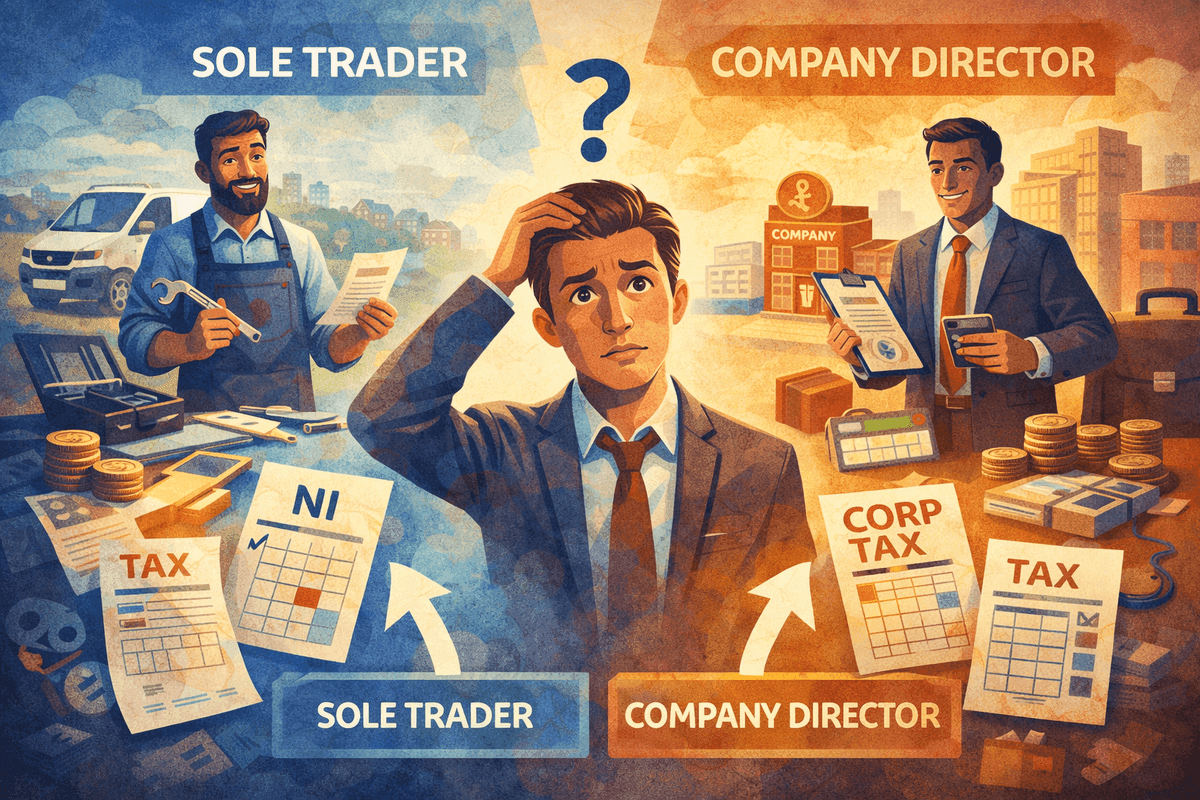
Most "creator economy" income is treated by HMRC as self-employment income. That puts you in the same bucket as a freelance designer or a plumber for tax purposes. Here's what that means in practice.
What income counts?
HMRC looks at your gross income (total payments received before deductions), not your profit. For content creators, this typically includes:
- Ad revenue, YouTube AdSense, Twitch ads, TikTok Creator Fund, Snap Spotlight bonuses
- Subscriptions, Twitch subs, YouTube Memberships, Patreon, Substack, OnlyFans, Ko-fi memberships
- Brand deals & sponsorships, paid posts, integrated ads, brand ambassadorships
- Affiliate income, Amazon Associates, sponsor codes, link kickbacks
- Merch, your store sales, print-on-demand revenue (Spring, Teespring, etc.)
- Tips & donations, Streamlabs, Ko-fi tips, super chats, super thanks
- Licensing, TV/agency use of your viral clip, music sync deals
If your total from these sources exceeded £50,000 for the relevant tax year, MTD has applied since 6 April 2026.
What about platforms that pay in dollars or euros?
YouTube, Twitch, Patreon and most major platforms pay creators in USD. Convert to GBP using the exchange rate on the date the money was received (or use HMRC's monthly average rates). Your gross income is the GBP equivalent.
Common expenses you can claim
If they're wholly and exclusively for your creator business:
- Cameras, microphones, lighting, ring lights, capture cards
- Editing software (Adobe, Final Cut, DaVinci Resolve)
- Stock music and sound effects subscriptions (Epidemic Sound, Artlist)
- Graphic design tools (Canva Pro, Photoshop)
- Cloud storage and backup (Dropbox, Google Drive, Backblaze)
- Internet costs (a business proportion if used for streaming)
- Home office costs (proportion of rent, utilities, if you have a dedicated workspace)
- Travel for shoots, conventions, brand events
- Sponsored product costs (if you bought items to review)
- Accountancy fees, business banking fees, platform commissions
Keep digital receipts for everything. HMRC's record-keeping requirement under MTD is strict, but a spreadsheet with line items and a folder of PDFs is fine.
Multi-platform: one business or several?
For most creators, all your platforms together form a single self-employment business, "content creation". You don't need to register a separate business for each platform. One MTD submission per quarter covers everything.
The exception is if you have a clearly distinct business, for example, your YouTube channel plus a separate freelance video editing service for clients. In that case, register both with HMRC and submit MTD updates for each.
What HMRC actually receives each quarter
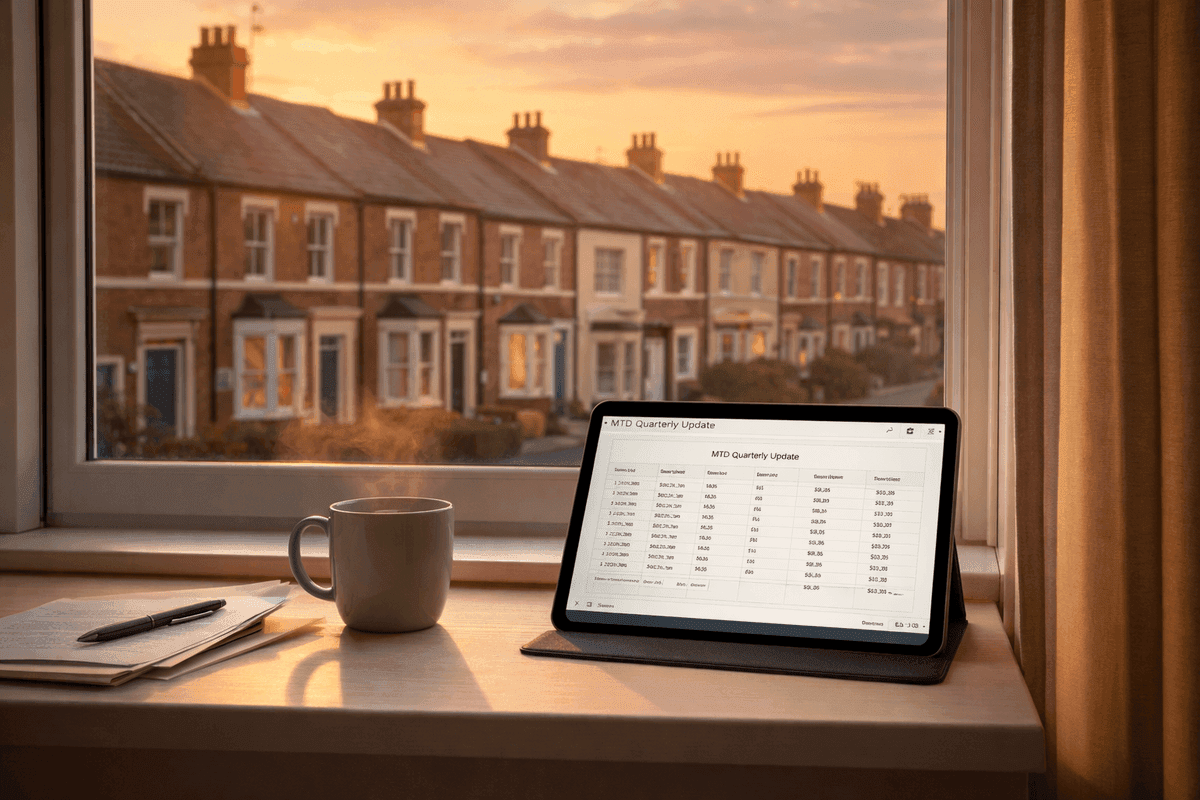
For flonancial's current quarterly format, you select total turnover (all platform income for the period) and total expenses. Not transaction-level detail. Not platform breakdown. Just the totals.
Tracking it all in a spreadsheet
Most creators already track income manually because platform dashboards are scattered. A simple monthly spreadsheet with columns for Platform, Date, Description, Amount (GBP) on the income side, and Date, Vendor, Category, Amount on the expenses side, is enough. Add a totals row, and flonancial can read those totals straight out of your file.
Getting started
If you're already over £50,000 and haven't signed up for MTD yet, do it now via your Government Gateway account. Then create a free flonancial account, connect HMRC, submit any outstanding Q1 update and prepare for Q2, which is due by 7 November 2026 for standard update periods.
More on your trade

Why is flonancial free? What's the catch?
There isn't one. Your spreadsheet is parsed in your browser, the file never touches our servers. HMRC's API is free to use. We never see your individual transactions or bank details, we don't sell your information, and we don't show you ads. The mandatory MTD pieces, quarterly updates and the year-end tax return, will always be free.